How to Heat a Garage for Year-Round Hobbies
By Garage Hobbies TeamLast updated: October 2026
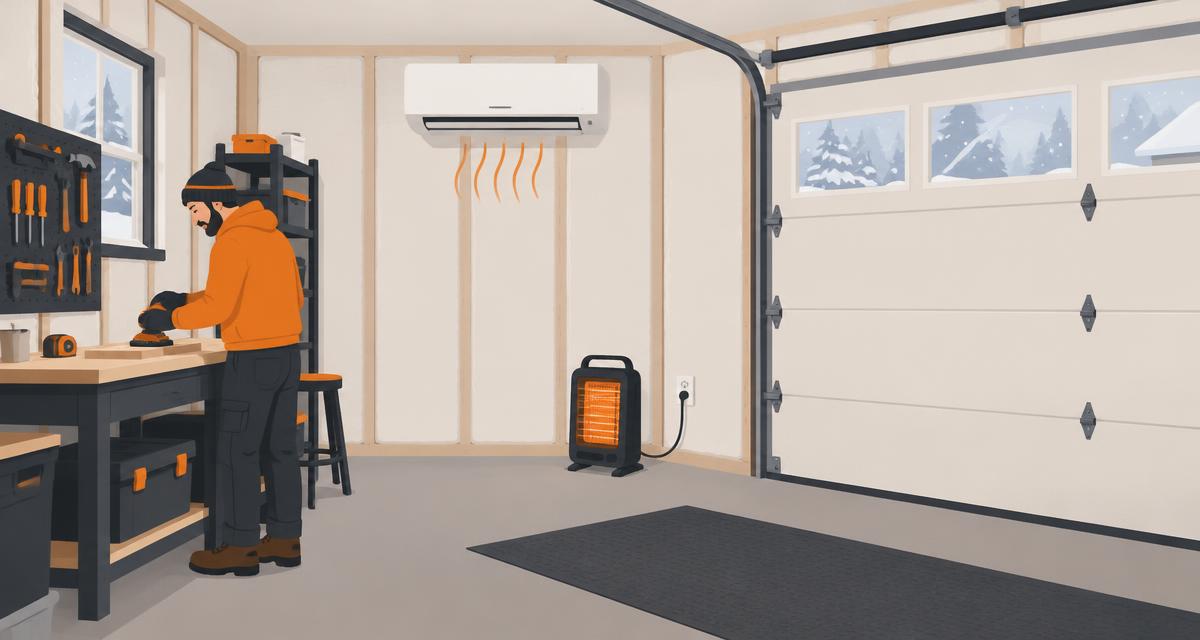
To heat a garage, insulate and seal it first, then add the right heater. Electric and infrared heaters suit small spaces. Forced air heaters and mini splits suit bigger, everyday use.
This guide covers each heater type, which one fits your hobby, how to cool the garage in summer and how to stay safe.
| Heater type | Cost level | Best for | Install | Key note |
|---|---|---|---|---|
| Electric space heater | Low | Small areas, short use | Plug-in | Use a proper outlet |
| Infrared heater | Low to Medium | Spot heat at a bench | Plug-in or mounted | Warms people and objects |
| Forced air electric | Medium | Whole garage | Often hardwired | May need a dedicated circuit |
| Mini split | High | Heat and cool, daily use | Pro install | Works best when insulated |
| Gas or propane heater | Medium to High | Large or cold garages | Pro install | Venting and CO safety |
Insulate and seal first
Heat escapes fast from a bare garage. Fix that first and you will need a smaller heater.
Compare garage door insulation kits to match fiberglass, foam or reflective panels to your door.
- Walls: add insulation to open stud walls, then cover with drywall or panels.
- Ceiling: insulate the ceiling or attic above. Heat rises.
- Garage door: choose an insulated door or add a door insulation kit.
- Bottom seal: replace a worn seal at the bottom of the door.
- Gaps: seal around windows, doors and outlets with weatherstripping and caulk.
For structural or attic work, follow local codes and use a licensed pro.
Electric space heaters
Electric space heaters are the simple start. They plug in, heat a small area and move easily.
Plug them straight into a wall outlet, not an extension cord or power strip. Pick models with tip-over and overheat shutoff. Keep them away from sawdust, rags and paint.
Infrared heaters
Infrared heaters warm you and the objects in front of them, not the air. You feel heat quickly, even with the door opening and closing.
They are great at a workbench or in a gym corner. Aim them where you stand.
Forced air heaters
Forced air heaters blow warm air across the space. Ceiling or wall mounted electric units heat a whole garage and stay off the floor.
Many need a dedicated circuit. Follow local codes and use a licensed electrician.
Mini splits
A ductless mini split heats in winter and cools in summer. It runs quietly and works well for a garage you use most days.
It works best in an insulated garage. Installation needs refrigerant lines and wiring, so use a licensed HVAC pro.
Propane and gas heaters
Gas and propane heaters put out a lot of heat and suit large or very cold garages. They also bring real safety risks.
Burning fuel creates carbon monoxide, a gas you cannot see or smell. Vented units send exhaust outside. Never use a heater indoors unless it is rated for indoor use.
- Install a carbon monoxide detector in the garage and the house.
- Use only heaters rated for the space and follow the maker's guide.
- Never run a car or generator in a closed garage.
- Keep fuel and flammables far from any heater.
- Follow local codes and use a licensed pro for gas lines and venting.
Which heater suits which hobby
Garage gym
Infrared or forced air works well. Warm the space before you train. A good floor helps too, see garage gym flooring.
Workshop
Avoid open flames and hot coils near sawdust and finishes. A mini split or a sealed, vented unit is safer. Many glues and finishes need warmth to cure.
Man cave or office
A mini split gives steady, quiet comfort. A small electric heater works for occasional use.
Car work
Infrared heat at the work area keeps you warm without heating the whole garage.
How to cool a garage
Cooling follows the same rule: insulate first.
- Run a large fan or wall fan to move air.
- Open the door and a window for cross flow.
- Add an exhaust fan to push hot air out. For new vents, follow local codes and use a licensed pro.
- An insulated garage door blocks a lot of sun heat.
- A mini split is the most complete option.
Safety
Keep at least the clearance the maker lists around every heater. Never leave a portable heater running when you leave.
Keep a fire extinguisher by the door. Test smoke and CO detectors often.
Brighten the space too with garage lighting ideas. See more upgrades in cool garage ideas or browse all garage hobbies.
Frequently asked questions
What is the best way to heat a garage?
Insulate and seal first. Then use an electric or infrared heater for small spaces, or a mini split or forced air heater for daily use.
Is it safe to use a propane heater in a garage?
Only with a heater rated for the space, proper ventilation and a carbon monoxide detector. Follow local codes and use a licensed pro.
Can a mini split heat a garage?
Yes. A mini split heats and cools and works best in an insulated garage. Use a licensed HVAC pro to install it.
How do I keep my garage cool in summer?
Insulate the walls and door, run fans, open windows for cross flow, add an exhaust fan or install a mini split.
Do I need to insulate before heating my garage?
It is the best first step. Without insulation, most of the heat escapes and any heater has to work much harder.
Related guides
- Cool Garage Ideas to Upgrade Your SpaceFloors, lighting, golf sims, offices, bars and ideas for car guys.
- Garage Gym Flooring: Best Options for Your Home GymRubber tiles, stall mats, rolled rubber, foam and turf compared, plus how to lay them.
- Garage Lighting Ideas for a Brighter, Better SpaceShop lights, hex grids, task lights and how to plan light by zone.
- Garage Hobbies: 25 Ideas25 things you can do in your garage.